Agentic AI Foundation Gets 97 New Members: Analysis of Open Standardization Momentum
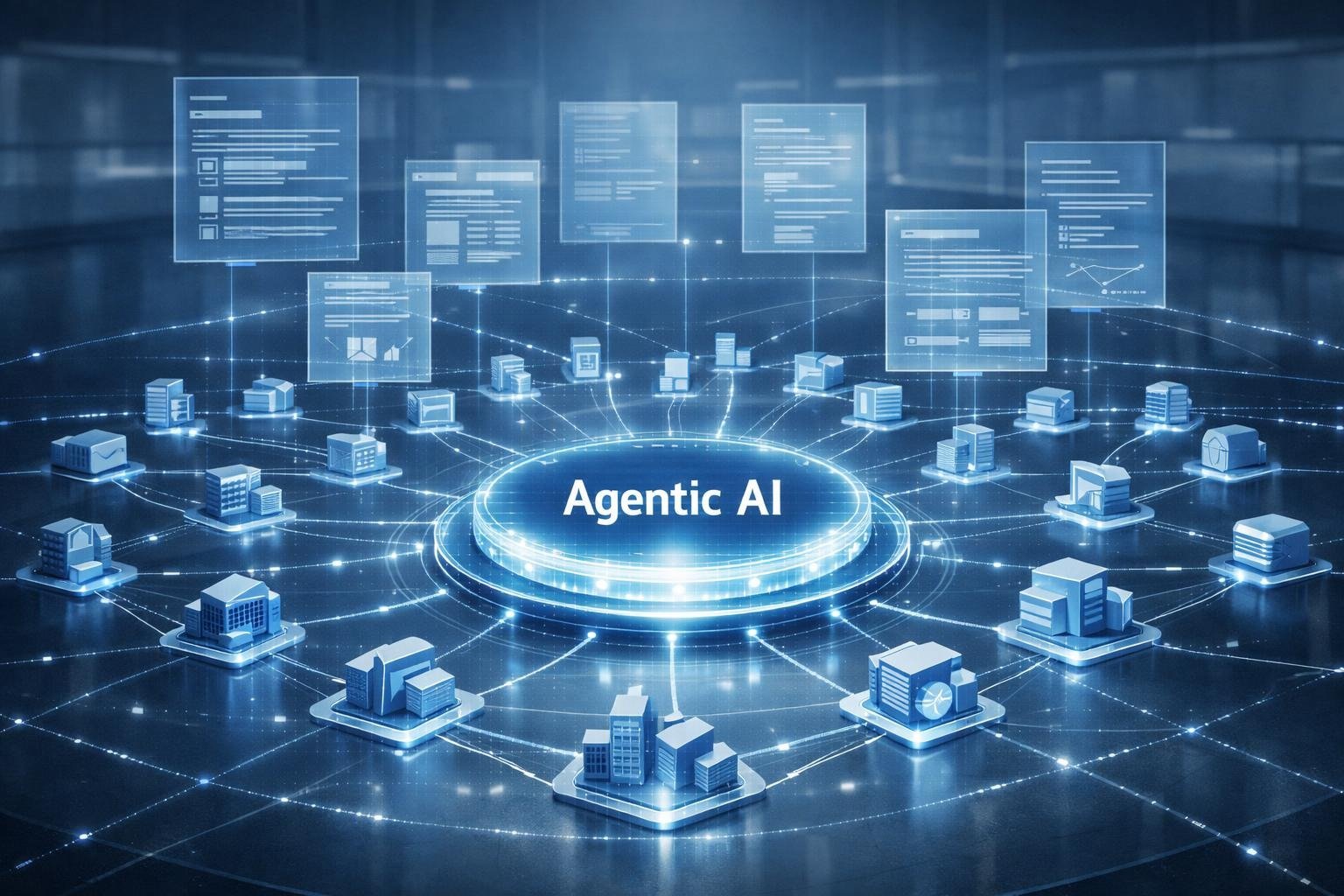
Agentic AI Foundation adds 97 new members to its fold as the industry works towards interoperatble AI with open standardization
On February 24, 2026, the Linux Foundation’s Agentic AI Foundation (AAIF) announced the addition of 97 new members, signaling accelerating industry momentum toward open standards for autonomous AI agents. This analysis examines the implications for AI development, blockchain integration, and the emerging agentic economy.
The Announcement: Key Details
According to Linux Foundation and PRNewswire releases, the AAIF expansion includes:
- 18 New Gold Members: Including Circle, JPMorgan Chase, Lenovo, and other major enterprises
- 79 New Silver Members: A diverse range of AI and technology companies
- Total Membership: Now exceeds 120 organizations since its formation in December 2025
- Technical Contributions: Model Context Protocol (MCP), goose, and AGENTS.md projects
- Leadership: New governing board chair David Nalley (former AWS executive)
Technical Analysis
Core Projects and Standards
Model Context Protocol (MCP): According to the announcement, MCP serves as “critical infrastructure for the AI community,” enabling:
- Standardized tool connections for AI agents
- Interoperability between different AI systems
- Enterprise-grade security and governance
goose Project: Likely provides agent orchestration and management capabilities.
AGENTS.md: Presumably documentation and specification standards for agent development.
Technical Architecture
Based on Solo.io’s analysis of the AAIF announcement:
“Protocol standards alone won’t get you there: you need infrastructure that enforces security, provides observability, and enables governance at scale.”
This suggests a layered approach:
- Protocol Layer: Standardized communication (MCP)
- Infrastructure Layer: Security, observability, governance
- Application Layer: Agent implementations and use cases
Market Context
Agentic AI Growth
Industry Momentum: The AI industry has come a long way over the years building a strong technical foundation. With the basics sorted, the only challenges remaining are on the execution, governance and innovation front, which when done right will make autonomous agents more commonplace in business operations.
Related Developments
- NEAR Confidential Cross-Chain (Feb 25): Infrastructure for AI agent economy
- Akash Homenode (Feb 25): Decentralized compute for AI workloads
- PyTorch Foundation Expansion (Feb 24): 9 new members announced simultaneously
Enterprise Adoption
In an article covering OpenAI and Cisco’s standards support on PYMNTS.com, the publication refers to F5, Inc’s Chad Davis’ comment stating,
“Institutions must first solve governance and technical challenges, including observability, decision traceability, integration with legacy systems and strong policy guardrails.”
Strategic Analysis
Linux Foundation’s Role
Neutral Governance: As one of the long-standing organization in the information technology space, Linux Foundation is expected to provide a neutral and open foundation based on transparency, collaboration and standardization.
Historical Precedent: Similar to foundations for Kubernetes, Hyperledger, and other critical infrastructure.
Member Motivations
Gold Members (Circle, JPMorgan, etc.): Likely seeking:
- Influence over emerging standards
- Early access to agentic AI capabilities
- Competitive positioning in financial services AI
Silver Members: Probably focused on:
- Technical collaboration
- Market access through standards compliance
- Learning and development opportunities
Cross-References and Industry Context
Blockchain Integration
The timing aligns with blockchain infrastructure developments:
- NEAR’s Announcement: Confidential cross-chain for agent economy
- Circle’s Participation: USDC integration potential for agent payments
- Industry Trend: AI agents requiring blockchain for payments, identity, and state management
Technical Standards Ecosystem
AAIF likely interfaces with:
- Existing AI standards (ONNX, MLflow, etc.)
- Blockchain standards (ERC standards, Cosmos IBC, etc.)
- Security standards (Confidential Computing, TPM, etc.)
Risk Analysis
Technical Risks
- Standardization Complexity: Balancing innovation with interoperability
- Security Challenges: Autonomous agents create new attack surfaces
- Performance Requirements: Real-time agent interactions demand low latency
Market Risks
- Fragmentation Risk: Competing standards could emerge
- Adoption Timing: Enterprise adoption may be slower than anticipated
- Regulatory Uncertainty: Autonomous AI faces an evolving regulatory landscape
Governance Risks
- Member Conflicts: Large members may have competing interests
- Decision Velocity: Consortium governance can be slow
- Technical Debt: Early standards may constrain future innovation
Expert Commentary
Industry Analysts
From Medium analysis of the agentic AI landscape (February 2026):
“Anthropic pursues a protocol-first strategy — MCP as the universal tool connection layer, Agent Skills as the procedural knowledge layer, both donated to open foundations.”
Technical Community
Early reactions suggest:
- Positive reception to open standardization
- Concerns about implementation complexity
- Interest in blockchain integration possibilities
Comparative Analysis
vs. Proprietary Agent Platforms
| Aspect | AAIF Open Standards | Proprietary Platforms |
|---|---|---|
| Interoperability | High (open standards) | Low (vendor lock-in) |
| Innovation Pace | Community-driven | Vendor-controlled |
| Enterprise Adoption | Potentially faster (standards) | Vendor-dependent |
| Security Governance | Transparent community process | Vendor-controlled |
vs. Other AI Foundations
| Foundation | Focus | Key Differentiator |
|---|---|---|
| Agentic AI Foundation | Autonomous AI agents | Agent-specific standards |
| PyTorch Foundation | AI framework and tools | Framework development |
| ML Commons | Machine learning benchmarks | Performance measurement |
Future Outlook
Short-term (2026)
- Q2 2026: Initial standards releases and technical specifications
- Q3 2026: Early implementations and pilot projects
- Q4 2026: Assessment of adoption and technical performance
Long-term (2027+)
- Success Scenario: AAIF standards become industry default for agentic AI
- Challenge Scenario: Fragmentation or slow adoption limits impact
- Ecosystem Impact: Could accelerate enterprise AI adoption through standardization
Implications for Different Stakeholders
For AI Developers
- Standards Awareness: Monitor AAIF developments for future compatibility
- Tool Evaluation: Assess how MCP and other standards affect tool choices
- Skill Development: Learn emerging standards and best practices
For Enterprises
- Vendor Strategy: Prefer solutions supporting AAIF standards
- Risk Management: Consider standards compliance in AI procurement
- Innovation Planning: Align AI roadmaps with emerging standards
For Blockchain Projects
- Integration Opportunities: Explore how blockchain can support agent standards
- Partnership Potential: Collaborate with AAIF members on use cases
- Technical Alignment: Ensure blockchain infrastructure supports agent requirements
For Investors and Analysts
- Market Monitoring: Track AAIF adoption as an indicator of agentic AI maturity
- Company Evaluation: Assess how companies position relative to standards
- Trend Analysis: Use AAIF developments to gauge AI infrastructure evolution
Conclusion
The Agentic AI Foundation’s rapid expansion to 97 new members represents significant industry momentum toward open standards for autonomous AI. Key implications include:
- Accelerated Enterprise Adoption: Standards reduce risk and increase interoperability
- Blockchain Integration: Timing aligns with blockchain infrastructure for the agent economy
- Market Structure: Could prevent vendor lock-in and promote innovation
- Technical Evolution: Establishes foundation for scalable, secure agentic AI
However, challenges remain:
- Implementation Complexity: Turning standards into working systems
- Adoption Coordination: Need for simultaneous adoption across the ecosystem
- Evolution Management: Balancing stability with innovation in a fast-moving field
The AAIF’s success will depend on its ability to:
- Deliver practical, implementable standards
- Maintain neutral, effective governance
- Coordinate across diverse member interests
- Adapt to a rapidly evolving technical landscape
For the Web3 and blockchain community, this development represents both opportunity and imperative. As AI agents become more autonomous and economically significant, blockchain infrastructure will play a crucial role in their operation. The AAIF standards could define how this integration occurs, making early understanding and engagement strategically important.